
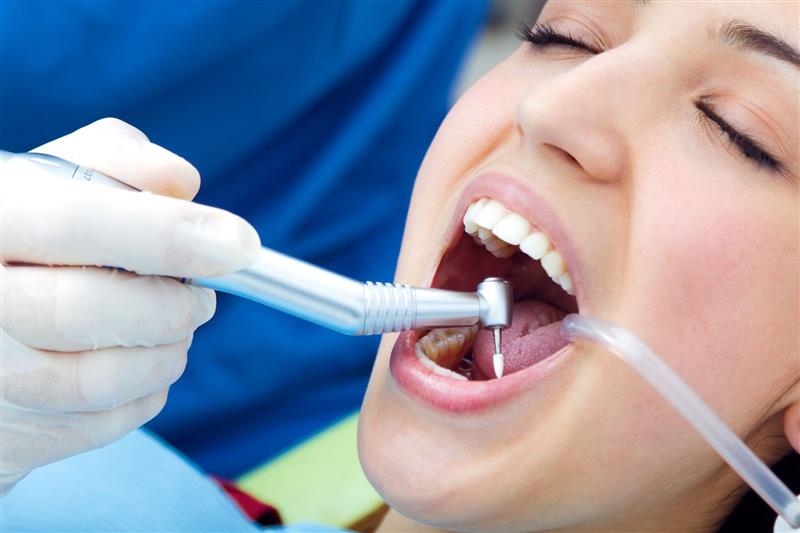
Maintaining good oral health involves more than brushing and flossing at home. Regular visits for dental cleaning Sherwood Park residents trust, such as those offered by Park Mall Dental Centre, play an important role in preventing tooth decay, gum disease, and other oral health concerns. While daily oral care is essential, professional care ensures that areas difficult to clean at home receive proper attention.
Many patients wonder how often they should schedule a professional dental cleaning. The answer is not always the same for everyone. Factors such as oral health history, lifestyle habits, and individual risk levels can influence the recommended frequency.
At Park Mall Dental Centre, dental professionals evaluate each patient’s oral health and recommend a cleaning schedule that supports long-term dental wellness. For many people, regular professional cleanings help remove plaque and tartar buildup that cannot be eliminated with brushing and flossing alone.
Understanding Professional Dental Cleaning
A professional dental cleaning is a preventive dental procedure performed by a dental hygienist or dentist to remove plaque, tartar, and stains that cannot be eliminated through regular brushing and flossing alone.
During a routine dental hygiene appointment, the dental professional carefully cleans the teeth and gum line to reduce bacteria buildup. This process supports healthy gums and helps lower the risk of cavities and gum disease.
What Happens During a Dental Cleaning?
A typical dental cleaning appointment usually involves several steps:
- Initial oral examination
The hygienist checks the teeth and gums for signs of inflammation, cavities, or plaque accumulation. - Plaque and tartar removal
Specialized tools are used for tartar removal and to remove hardened deposits from tooth surfaces. - Deep cleaning around the gum line
This stage focuses on areas where plaque buildup commonly occurs. - Polishing the teeth
A mild abrasive paste helps remove surface stains and smooth the tooth enamel. - Flossing and rinse
The cleaning concludes with flossing to remove remaining debris.
These steps allow a plaque removal dentist or hygienist to address buildup that cannot be effectively removed with regular home care.
Why Plaque and Tartar Removal Matters
Plaque is a sticky film of bacteria that constantly forms on teeth. When plaque is not removed, it can harden into tartar, also known as calculus. Unlike plaque, tartar cannot be removed with a toothbrush.
It requires professional tools and techniques for safe and effective removal. Maintaining clean teeth through regular dental care not only prevents tartar buildup but also helps improve the results of treatments such as cosmetic teeth whitening, giving you a brighter and healthier smile.
Risks of Tartar Buildup
If tartar accumulates along the gum line, it can lead to several oral health problems:
- Gum inflammation
- Bleeding gums
- Persistent bad breath
- Increased risk of cavities
- Development of gum disease
Regular tartar removal helps prevent these issues before they become more serious.
How Often Should You Get Dental Cleaning?
The common recommendation for most patients is to schedule a dental hygiene appointment every six months. However, this timeline can vary depending on individual oral health needs.
Standard Recommendation
For individuals with generally healthy teeth and gums, professional cleaning twice a year is usually sufficient to maintain oral health.
Patients Who May Need More Frequent Cleanings
Some people may benefit from cleanings every three to four months. This often includes patients who:
- Have a history of gum disease
- Experience frequent plaque buildup
- Smoke or use tobacco products
- Have diabetes
- Wear orthodontic appliances
- Are prone to cavities
Dentists assess each patient’s oral health and recommend a cleaning schedule based on their specific needs.
Factors That Influence Cleaning Frequency
Several factors determine how often someone should schedule dental cleaning Sherwood Park clinics offer.
1. Gum Health
Patients with gingivitis or early signs of gum disease may require more frequent monitoring and cleanings.
2. Plaque Accumulation
Some individuals naturally develop plaque more quickly due to saliva composition or oral bacteria levels.
3. Oral Hygiene Habits
Consistent brushing and flossing can slow plaque buildup, while inconsistent habits may increase the need for professional cleanings.
4. Diet
Diets high in sugar and refined carbohydrates can increase the risk of plaque formation and cavities.
5. Medical Conditions
Certain health conditions, including diabetes or immune disorders, can affect oral health and require closer monitoring.
Key Teeth Cleaning Benefits
Regular dental cleanings provide several preventive advantages. These visits are not only about keeping teeth looking clean but also about maintaining long-term oral health.
1. Early Detection of Dental Problems
Routine visits allow dental professionals to identify early signs of cavities, gum disease, and other oral health conditions.
2. Prevention of Gum Disease
Professional cleaning helps remove bacteria that contribute to gingivitis and periodontal disease.
3. Reduction of Tooth Decay
By removing plaque buildup, dental professionals reduce the risk of cavities forming.
4. Improved Breath
Persistent bad breath is often caused by bacteria trapped around the teeth and gums. Cleaning removes these bacteria and improves breath freshness.
5. Removal of Surface Stains
Polishing during a cleaning appointment can help reduce stains caused by coffee, tea, or tobacco.
These teeth cleaning benefits support both oral health and overall well-being.
Signs You May Need a Dental Cleaning Soon
Even if you follow a regular cleaning schedule, certain symptoms may indicate it is time to book a dental hygiene appointment sooner.
Common signs include:
- Bleeding during brushing or flossing
- Persistent bad breath
- Visible tartar along the gum line
- Tooth sensitivity
- Gum redness or swelling
If these symptoms appear, scheduling a professional evaluation can help prevent further complications.
The Role of Preventive Dentistry
Preventive dentistry focuses on maintaining oral health before serious problems develop. Regular professional dental cleaning is one of the most effective preventive tools.
Preventive dental care typically includes:
- Routine dental exams
- Professional cleanings
- Oral hygiene education
- Fluoride treatments when needed
- Monitoring for early signs of disease
For many patients, preventive visits reduce the likelihood of requiring complex dental treatments later.
Maintaining Oral Health Between Cleanings
Professional dental care works best when combined with consistent daily oral hygiene habits.
Recommended Daily Practices
- Brush teeth twice daily using fluoride toothpaste
- Floss once per day to remove debris between teeth
- Limit sugary snacks and drinks
- Drink water throughout the day
- Replace toothbrushes every three to four months
These habits help slow plaque accumulation and support the results of plaque removal dentist treatments.
Dental Cleaning for Different Age Groups
Cleaning recommendations may also vary depending on age and life stage.
Children and Teenagers
Young patients often benefit from regular cleanings as their teeth develop. Dental professionals can monitor cavity risk and provide preventive advice.
Adults
Adults typically follow the six-month cleaning schedule, though lifestyle habits and medical history may influence frequency.
Older Adults
As people age, they may experience gum recession or increased sensitivity. Regular dental hygiene visits help manage these changes.
Why Skipping Dental Cleanings Can Lead to Problems
Skipping routine cleanings may allow plaque and tartar to accumulate over time. This buildup can gradually irritate the gums and weaken tooth enamel.
Over time, untreated plaque can lead to:
- Gingivitis
- Periodontal disease
- Tooth decay
- Tooth loss
Preventive cleanings are designed to stop these conditions before they progress.
Frequently Asked Questions
Q1. How long does a dental cleaning appointment take?
Most routine dental cleanings take between 30 and 60 minutes. The exact time depends on the amount of plaque or tartar buildup.
Q2. Is professional dental cleaning painful?
In most cases, dental cleanings are not painful. Patients with sensitive gums may experience mild discomfort during tartar removal, but it is usually temporary.
Q3. Can brushing and flossing replace dental cleanings?
Daily oral hygiene is essential but cannot replace professional care. Certain areas of the mouth are difficult to clean thoroughly at home, making professional plaque removal necessary.
Q4. What happens if tartar is not removed?
If tartar remains on the teeth, it can lead to gum inflammation and increase the risk of gum disease and cavities.
Q5. Do all patients need cleanings every six months?
While six months is a common guideline, some individuals require more frequent cleanings depending on their oral health condition.
Final Thoughts
Regular dental cleaning Sherwood Park residents schedule plays an important role in maintaining healthy teeth and gums. While most people benefit from cleanings every six months, individual needs can vary based on oral health status and lifestyle factors.
A routine dental hygiene appointment allows dental professionals to perform plaque removal, provide tartar removal, and monitor early signs of dental issues. Combined with good daily oral care habits, these preventive visits help support long-term oral health and reduce the likelihood of more complex treatments in the future. If you are due for a professional cleaning or would like personalized guidance on maintaining your oral health, Contact Park Mall Dental Centre today to schedule an appointment with our dental team.